




Friday Features
Blue Dot Fever and the Future of Touring
Kaitlin McKay
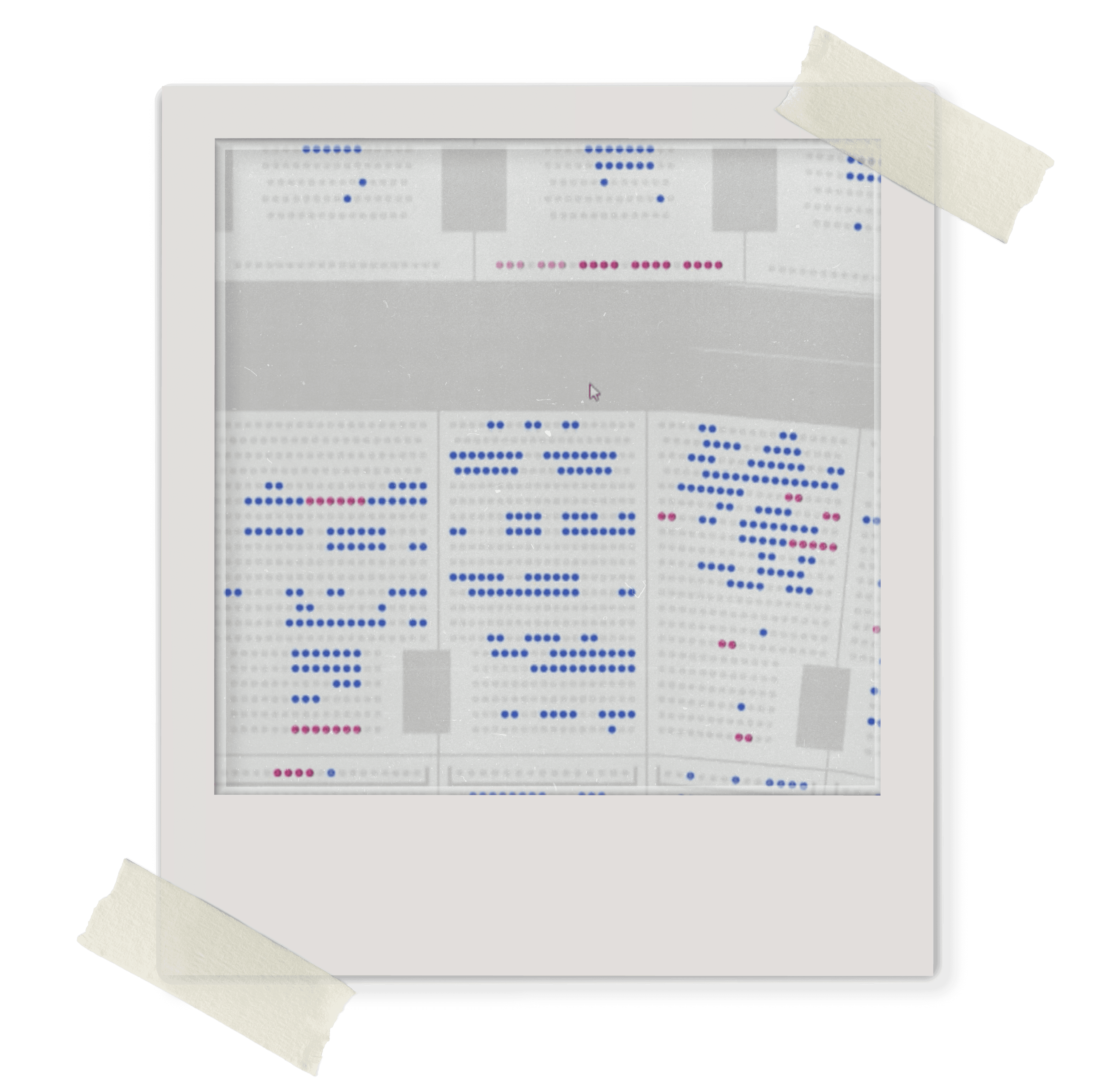
Open Ticketmaster in 2026 and the same image keeps appearing: entire sections glowing blue.
For years, blue dots on ticket maps represented possibility. Available seats disappeared almost instantly as fans rushed into presales, battled queues, and fought dynamic pricing just for a chance to attend live shows. But now, those blue dots are lingering.
In industry circles, there’s a name for it: blue dot fever.
The term refers to the growing wave of unsold concert inventory visible across Ticketmaster seating maps — and the larger touring crisis hiding behind it. Across genres and venue sizes, artists are struggling to move tickets at the pace the industry became accustomed to during the post-pandemic touring boom. Some tours are quietly downsizing venues. Others are cutting dates altogether. A few never make it out of presale.
What once looked like an unstoppable live music economy is beginning to show cracks.
And the industry should be paying attention.
What Is Blue Dot Fever?
Blue dot fever is more than just a few empty seats. It has become shorthand for a larger industry problem: tours that are too expensive, too ambitious, and increasingly difficult to sustain.
The phrase comes directly from Ticketmaster maps, where unsold seats appear as blue dots. In previous years, those dots vanished almost immediately for major tours. Now, fans are noticing entire rows—sometimes entire sections—remain available weeks after on-sale dates.
The optics matter.
The live music business has spent years marketing scarcity. Sold-out tours became a status symbol for artists, labels, promoters, and fans alike. But blue dot fever disrupts that narrative. When consumers can visibly see unsold inventory across dozens of markets, it changes how demand is perceived.
Suddenly, the illusion of endless sellouts starts to fade.
Fans Have Hit Their Financial Limit
At the center of blue dot fever is a simple reality: fans are running out of money.
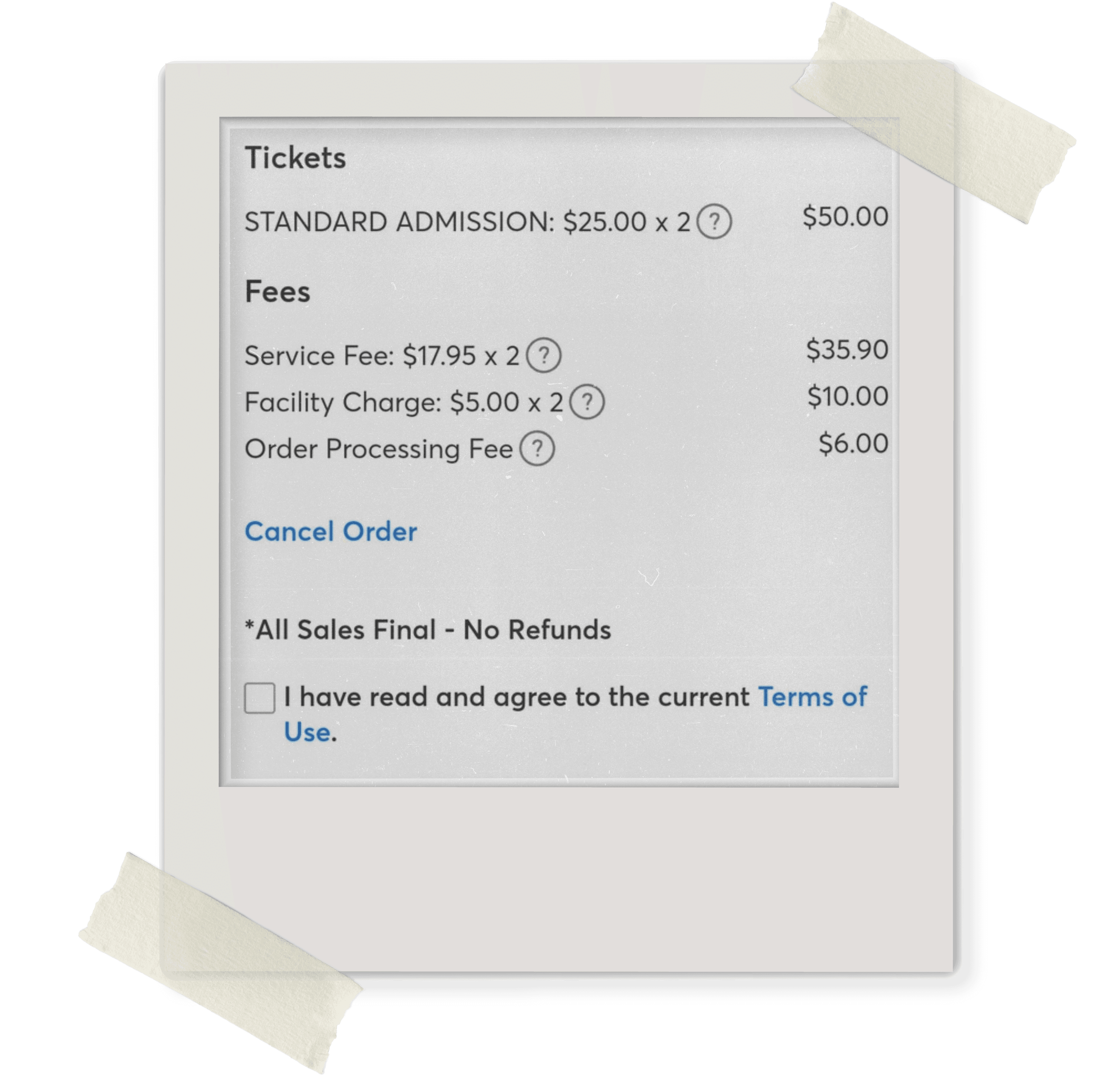
Ticket prices have climbed dramatically over the last several years, fueled by platinum pricing, VIP packages, service fees, resale inflation, and growing production costs. What used to be an occasional luxury has become financially inaccessible for many fans.
The average concertgoer is now being asked to spend hundreds—sometimes thousands—of dollars just to participate in modern fandom.
And it’s not just one artist touring anymore.
The post-pandemic live music surge created an environment where nearly everyone hit the road at once. Arena tours, stadium runs, festivals, surprise drops, anniversary tours, reunion tours — fans are being flooded with opportunities to spend money they simply do not have.
The industry trained audiences to believe live music was worth any price. Blue dot fever may be the moment audiences finally push back.
Bigger Tours Created Bigger Risks

At the same time ticket prices increased, production expectations exploded.
Modern tours are no longer just concerts. They are immersive visual experiences requiring massive staging, custom visuals, complex lighting rigs, transportation fleets, dancers, pyrotechnics, and social-media-ready moments designed to dominate timelines the next morning.
That scale comes at a cost.
Fuel, labor, trucking, insurance, staffing, and venue expenses have all risen significantly, meaning many artists now need near-capacity attendance just to break even. A tour can appear successful online while quietly struggling financially behind the scenes.
This is especially dangerous for developing artists caught between streaming popularity and real-world ticket demand.
In today’s industry, viral moments can create the appearance of massive fandom before an artist has actually built a sustainable touring audience. Millions of streams or TikTok views do not automatically translate into thousands of tickets sold across multiple cities.
Blue dot fever is exposing the difference between online visibility and actual consumer purchasing behavior.
Why the Industry Should Worry
The biggest danger of blue dot fever is not the unsold seats themselves; it’s what those seats represent.
For years, touring was treated as the music industry’s most reliable revenue stream. Streaming payouts remained inconsistent, physical sales declined, and live shows became the centerpiece of artist income and fan engagement.
Now, that system is beginning to show signs of strain.
Fans are becoming more selective about which artists they spend money on. Instead of attending multiple tours per year, many consumers are prioritizing one or two major experiences. That shift changes everything; from routing strategies to sponsorship value to merchandise projections.
There is also a growing trust issue forming between fans and the industry itself.
Consumers are increasingly skeptical of dynamic pricing models, hidden fees, and artificial scarcity tactics. When fans open ticket maps and still see large amounts of availability months after on-sale dates, it weakens the urgency much of modern ticket marketing relies on.
Blue dot fever also creates reputational risks for artists. Cancelled tours, venue downgrades, and heavily discounted last-minute tickets can shape public perception, even when those decisions are financially necessary.
Several artists have already faced public scrutiny surrounding ticket sales and touring demand. Post Malone and Jelly Roll reportedly scaled back multiple dates on their stadium run after struggling to fill certain markets. Meghan Trainor recently canceled her tour amid reports of low ticket sales and weak audience engagement, while Zayn Malik ultimately scrapped the U.S. leg of his Konnakol Tour altogether.

As these issues continue to grow, the industry may begin shifting toward smaller and more strategically planned tours—not necessarily smaller venues, but fewer cities and shorter routing schedules designed to maximize demand. Residencies will likely become even more attractive as well. Artists like Harry Styles have already demonstrated the success of this model, offering limited runs in select cities that create exclusivity while increasing demand.

In many ways, residency-style touring also reinforces the modern fan economy: if fans know there are only a handful of opportunities to attend, the fear of missing out becomes even stronger. For artists, that exclusivity can significantly increase the likelihood of selling out shows while reducing the financial risks of nationwide touring.
In a culture where success is measured visually and publicly, empty seats quickly become part of the narrative.
The Blue Dots Mean More Than Empty Seats
Blue dot fever may sound like slang, but it represents something much larger than Ticketmaster maps.
It reflects an industry that spent years scaling upward while audiences quietly reached their financial and emotional limit. It reflects the gap between internet visibility and real-world demand. And it reflects a touring ecosystem that may no longer be sustainable at its current size.
For years, the music business treated live touring as recession-proof.
Those blue dots suggest otherwise.