





Contributor Feature
Six Months, Three Legs, Sold-Out Crowds: The Runarounds Take Off
Shelby Poniatowski
The Runarounds have taken the world by storm over the past year, following their appearance on the hit TV show Outer Banks, which led into their own series, The Runarounds, released in September 2025.What began as a fictional band woven into a storyline quickly transformed into a real-world phenomenon. Viewers didn’t just connect with the characters,they connected with the music. Almost overnight, streams skyrocketed, clips of their performances flooded social media, and a once-scripted group became a legitimate touring act with a rapidly growing fanbase.
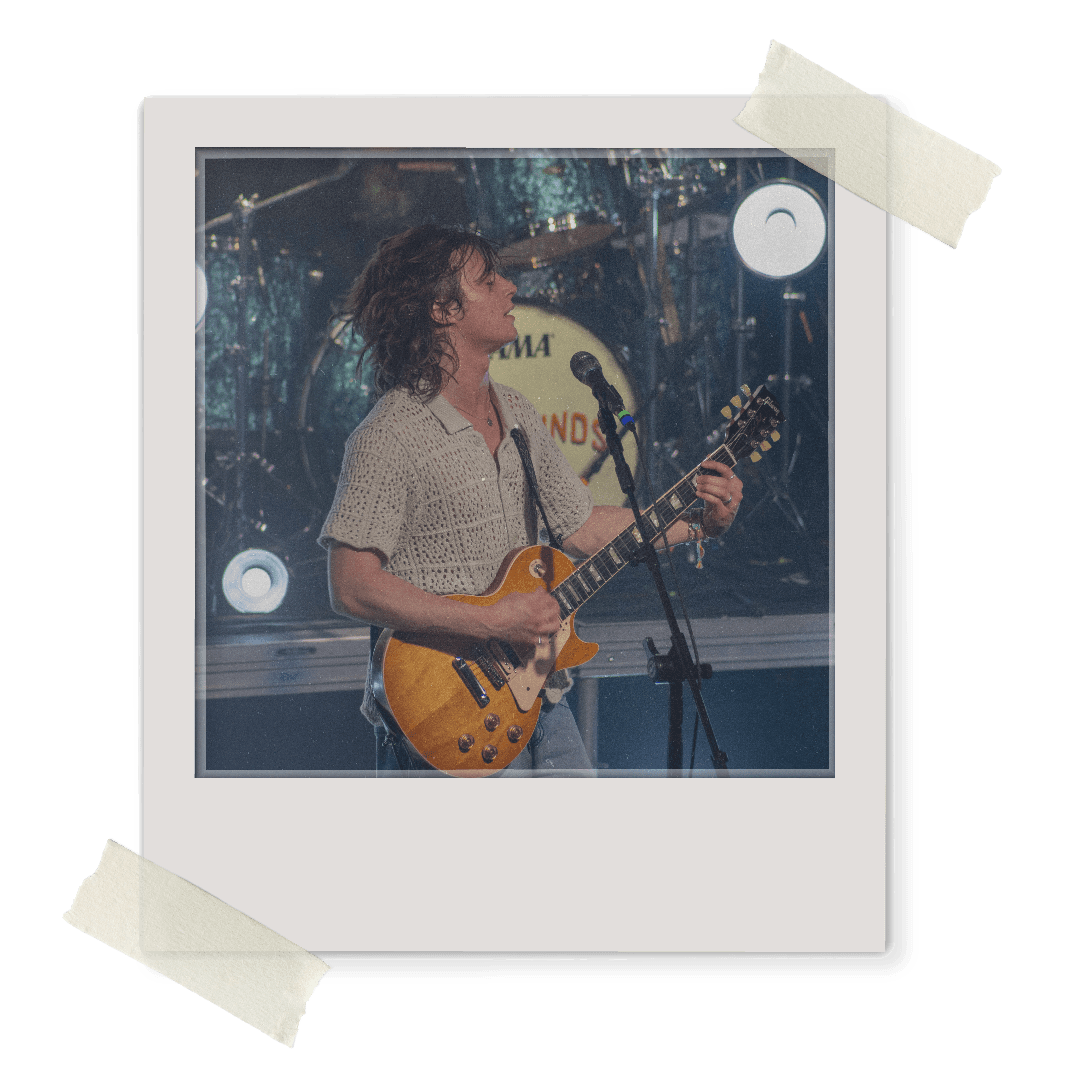
Riding the wave of the show’s breakout success, The Runarounds announced their first official tour: 19 shows over five weeks in intimate, 250-capacity venues. The demand was immediate—and exceeded expectations. Tickets sold out within two weeks, as fans rushed to experience the band beyond the screen. What was positioned as an ambitious rollout quickly proved to underestimate demand.
Just two weeks later, they announced a second leg—expanding to 32 shows across seven weeks. If the first run hinted at their potential, the second made it undeniable. Tickets sold out in just three days. By then, the demand was no longer surprising; it was expected.
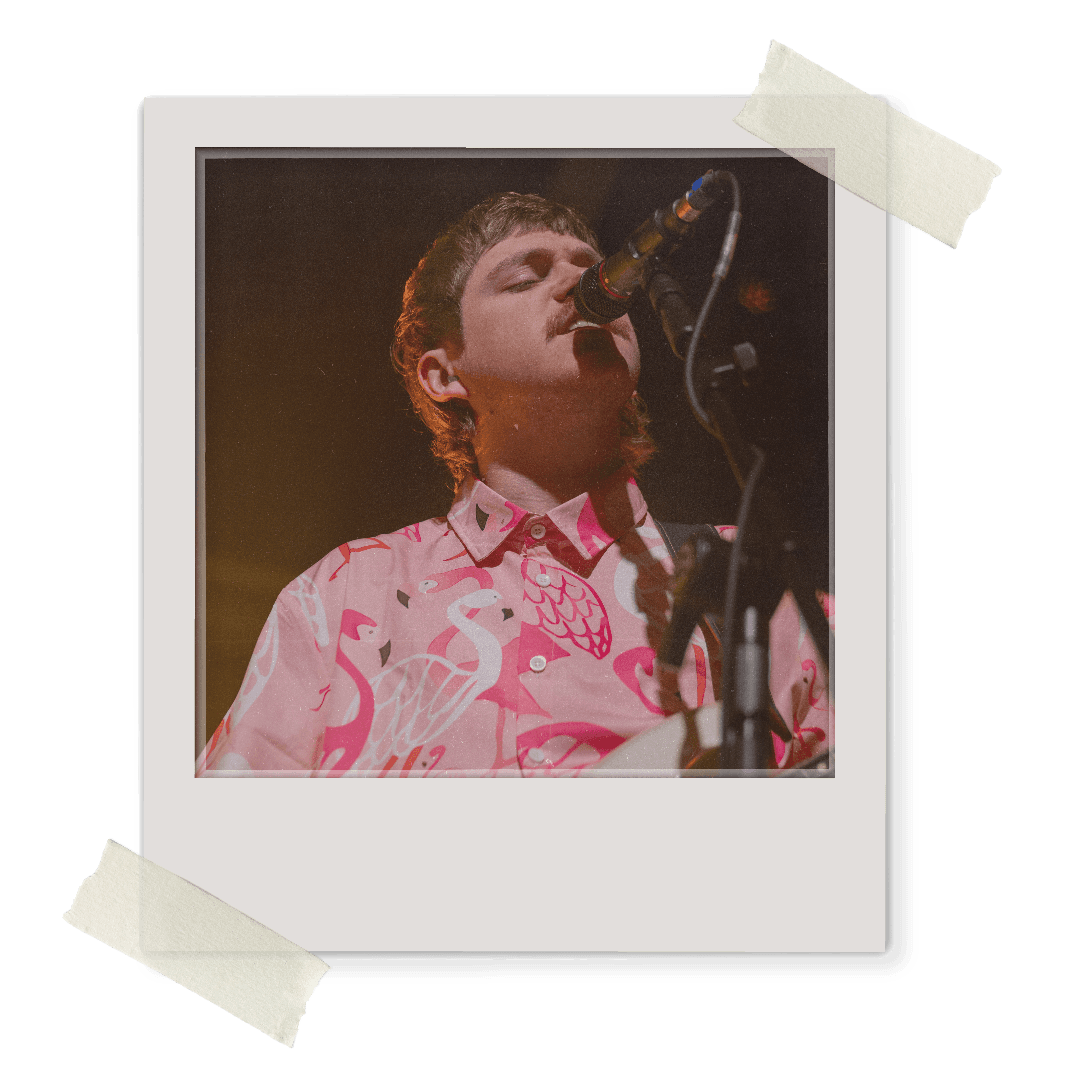
The momentum carried into a third leg: 20 additional shows over five weeks, this time in significantly larger venues. It marked a return to cities where they had previously played for a few hundred, now drawing crowds several times that size.
This April, the band returned to Charleston, where it all began. Back in September 2025, they kicked off The Minivan Tour in Charleston, playing to a crowd of 250 on the deck stage at The Pour House. Now, just six months later, they’re coming full circle on the final leg of their tour—this time taking the stage at Music Farm, a venue that holds nearly 700 fans.

Having attended multiple shows from both a fan’s perspective and behind the scenes as a photographer, a pattern emerges: their growth is matched by consistency in performance and audience connection.The long hours, the humility, the connection they maintain with fans—it all translates on stage. The Runarounds aren’t just riding a wave of TV fame anymore—proven by the fact that their show was canceled by Amazon in March—they’ve built something real, sustained by talent, work ethic, and a community that keeps coming back for more.
The lights cut, and the venue fell to silence. As the band stepped on stage, the crowd responded instantly. From the first moment, the room shifted into immediate, high-energy movement: people jumping, dancing, completely lost in it. The Runarounds opened the show with “Ghosts”, a song that taps into the weird feeling of growth that comes with loss.
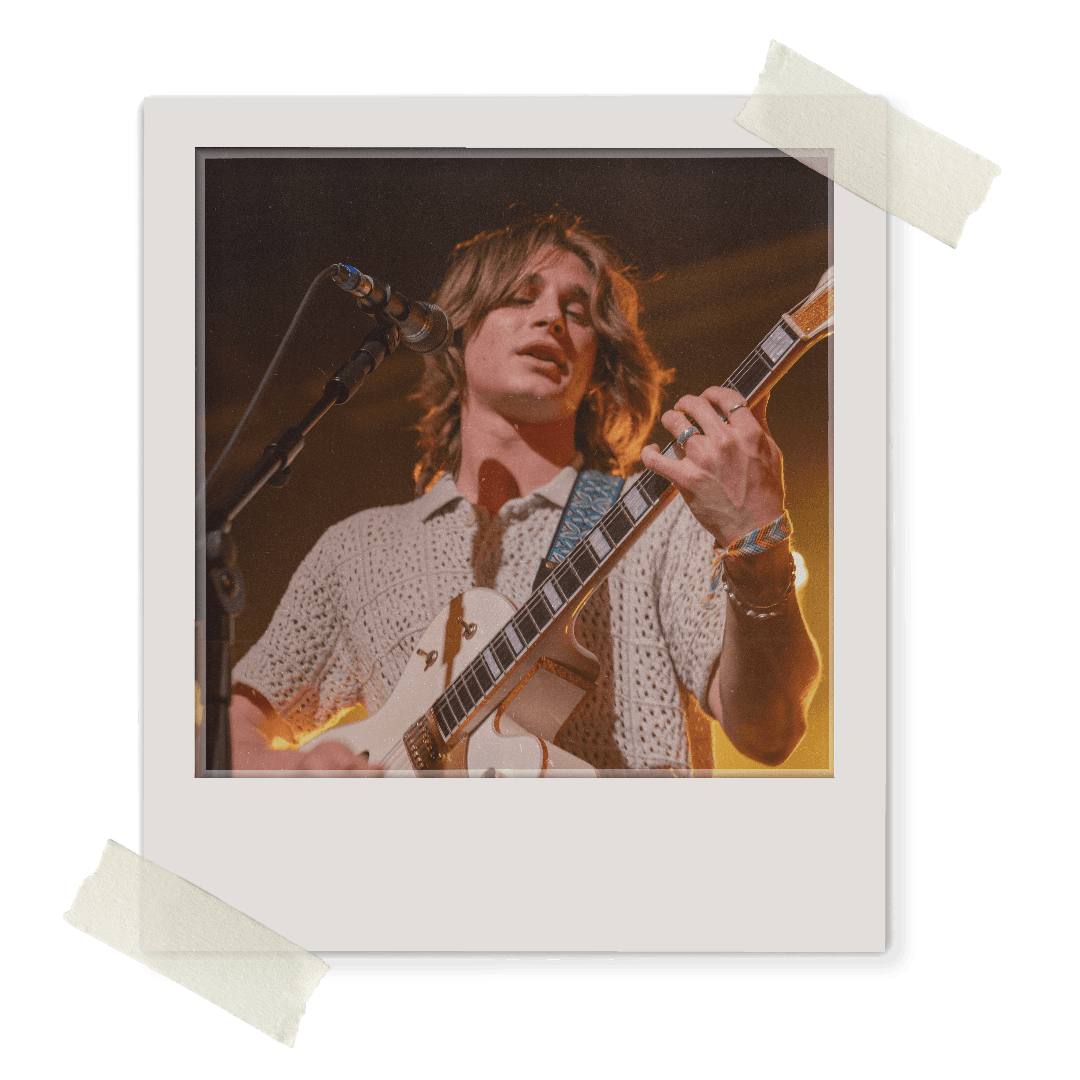
The band’s sound allows for a wide emotional range— from songs that celebrate the unpolished version of freedom represented in “Minivan” to songs that leave you in a heartache wondering “What if the music never sounds the same?” as represented in “Arrhythmia (I Hope You Stay)”. The fans follow that transition every step of the way;screaming their lungs out and dancing to linking arms and swaying.
Following “Arrhythmia (I Hope You Stay),” the band launched into a newer track, “Bleachers.” Though it only hit streaming platforms earlier that day, it’s been in their live rotation since January, yet the crowd knew every word. What made the moment even more unique was that, as the band and crowd lost themselves in the new track, cameras moved through the audience, capturing footage for the track’s music video in real time.
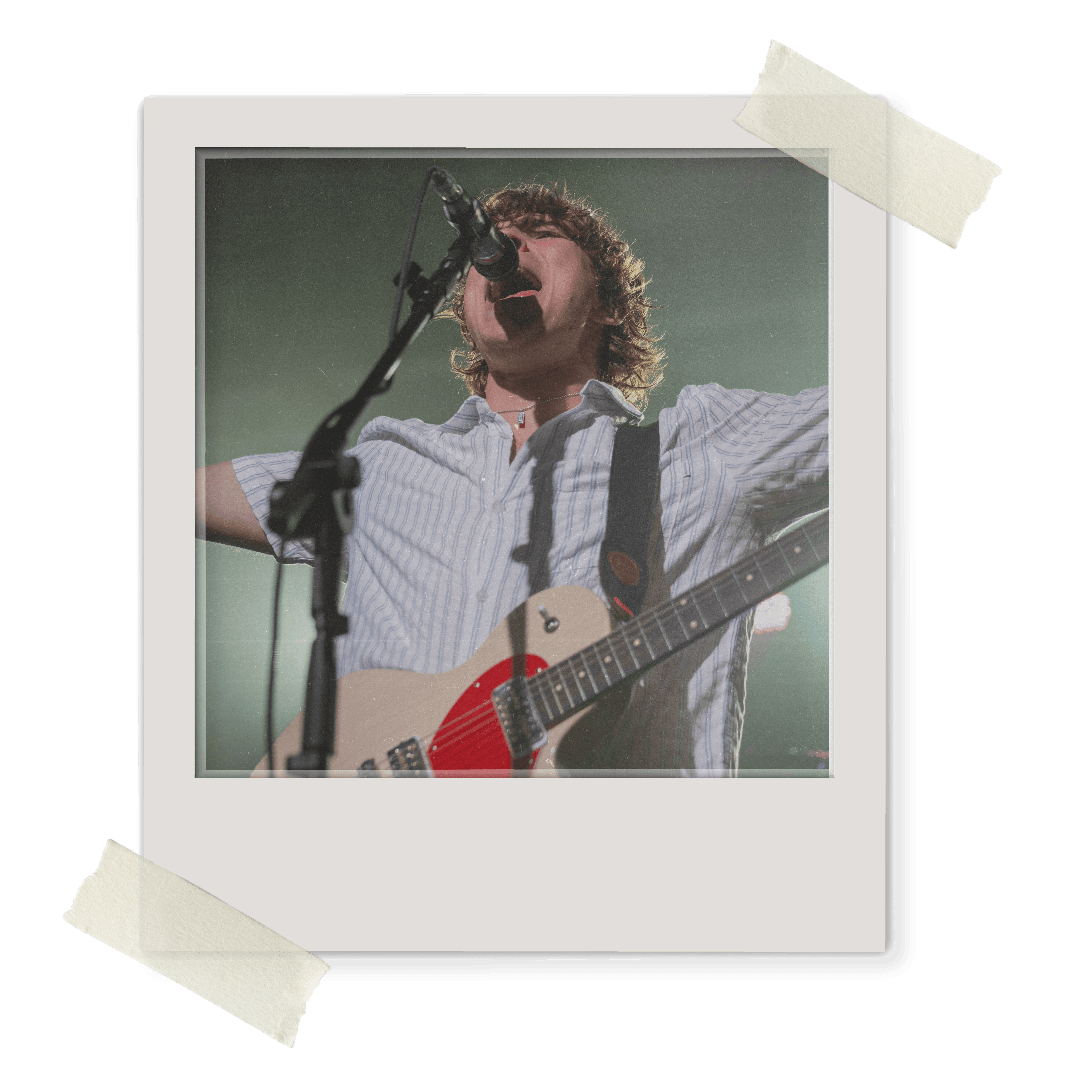
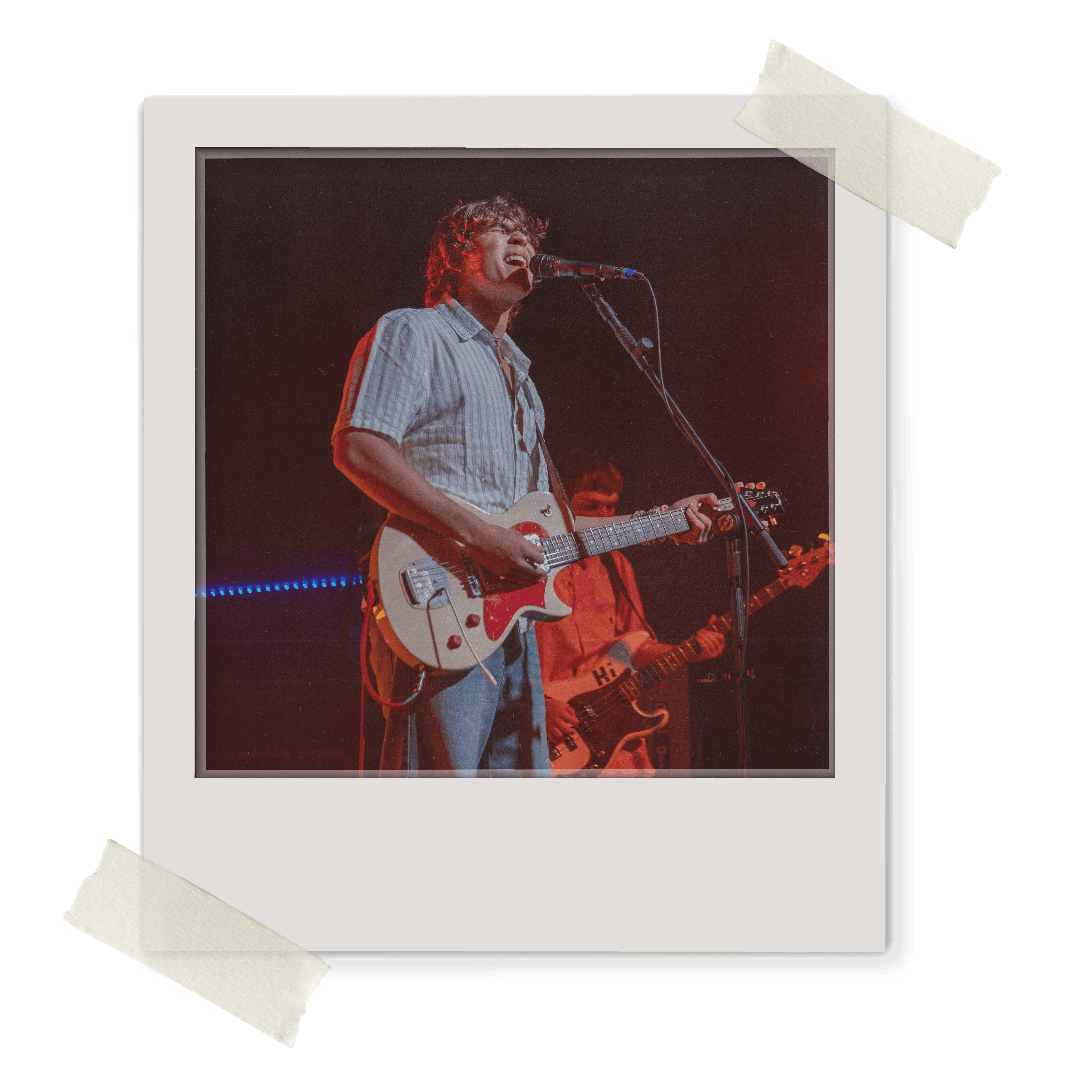
As the night stretched on, lead guitarist Jeremy Yun delivered riffs that were both precise and electrifying, each one landing with intent. Behind him, drummer Zende Murdock was relentless—never missing a beat, driving the set forward as he tore across the toms and cymbals at a pace that felt unreal. Jesse Golliher gave the bass a rare spotlight, pulling its lines out of the background and into something you could actually feel anchoring each song.
At the front, Axel Ellis and Will Lipton brought a level of connection you don’t often see. During their cover of “Valerie,” they stepped off the stage and onto the barricade, singing face-to-face with the crowd. The moment shifted from performance to direct interaction, leaving fans stunned that the voices they’d been listening to were suddenly right there in front of them.
The band applies the same level of control to both original material and covers. Tracks like “Are You Gonna Be My Girl” by Jet and “Valerie” by The Zutons (this time accompanied by The Takes) are reworked in the band’s own style with a rawness and urgency that makes them feel new again. Instead of imitating, the band leans into their own style, turning familiar songs into full-blown, crowd-wide moments.
Tucked into the balcony, cast and crew from their show watched it all unfold, singing and dancing along to every word. A sense that this wasn’t just a concert, but a shared celebration of everything the band has built, both on and off the screen.
As the lights came up after the final song, instead of clearing out, fans lingered, gathering near the merch booth and outside the venue, hoping for one more interaction with the band on stage. The band didn’t disappear backstage for long. One by one, they came back out, trading the intensity of the performance for something quieter and more personal.
They took their time—signing merch, posing for photos, and actually talking with fans, not just moving down a line. There was no rush, no sense of obligation, they understood exactly who got them to this point and weren’t about to lose sight of that. It turned the end of the show into something just as memorable as the performance itself—a reminder that, even as things scale up, they’re still holding onto what made people connect with them in the first place.