




Contributor's Column
March Contributor's Column
Press Pass
Megan Moroney’s Cloud 9: Flipping the Script on Country Heartbreak with Wit, Bite, and a Woman’s Voice
Shelby Poniatowski
When someone mentions country music, the first things that come to mind are breakups, beer, and trucks—usually told from a man’s point of view. Megan Moroney has made a career out of telling the other side of that story: the one about the self-sabotaging man who can’t quite manage a romantic relationship—and the woman perceptive enough to see through it.
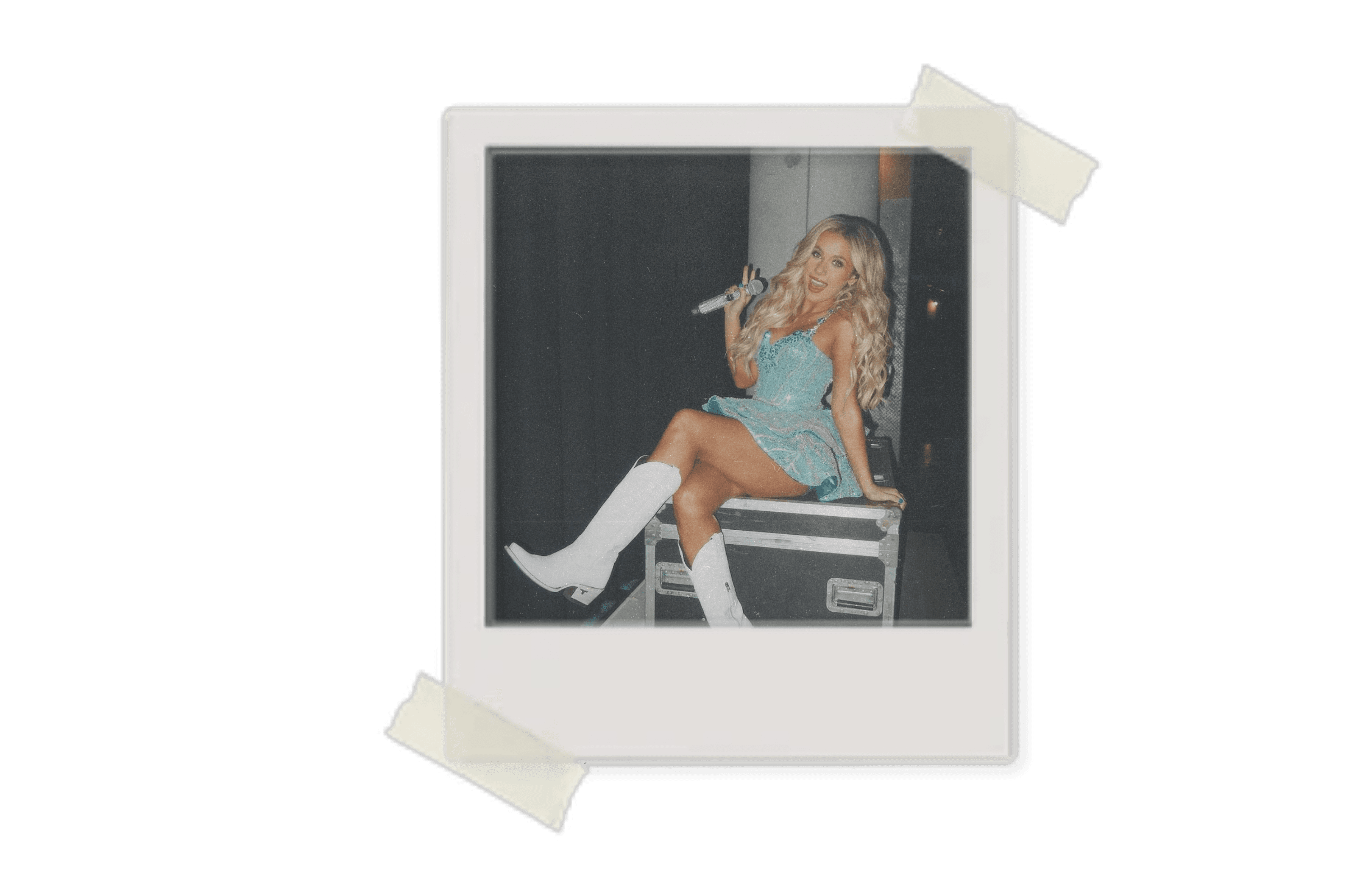
Moroney took the country world by storm in 2022 with the release of her single “Tennessee Orange”, a track that has since gone triple platinum and become a staple in SEC bars across the South. Her 2023 debut album, Lucky, drew comparisons to legends like Dolly Parton and Loretta Lynn. With humorously self-aware narratives and a sharp sense of place, Moroney’s writing echoed country’s great storytellers while carving out a voice distinctly her own. Her third album, Cloud 9, solidifies her status as a mainstream country star who hasn’t entirely surrendered to the industry machine.
Moroney resists the bloated tracklists that define the streaming era. Cloud 9 features a tight 15 songs, a deliberate contrast to the 25-plus tracks many artists now release to game algorithms. The album also marks her first meaningful use of features, including collaborations with Ed Sheeran and Kacey Musgraves. Rather than sounding like obligatory plays for Spotify numbers, these duets feel grounded in chemistry and artistic alignment.
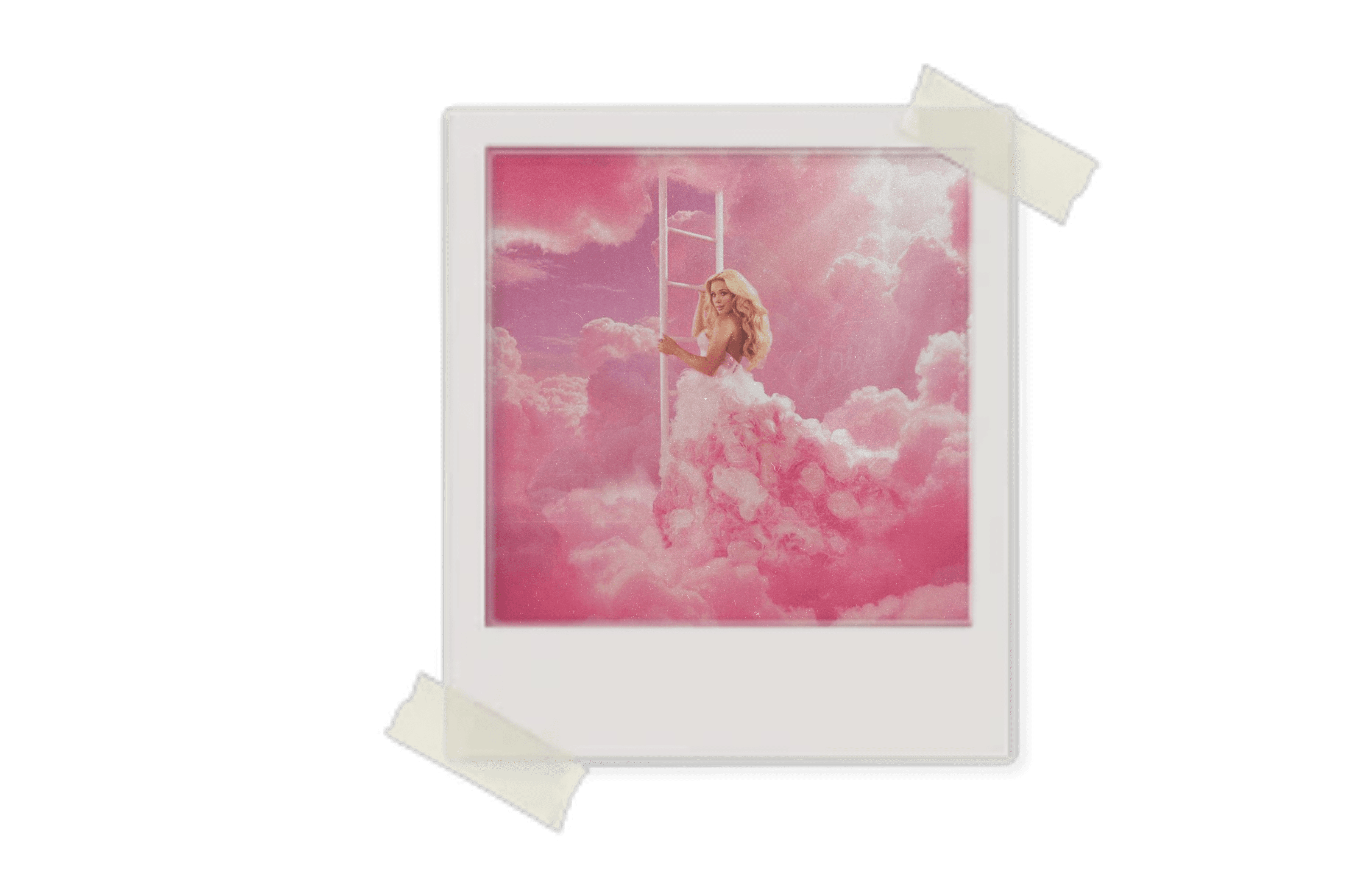
Unlike many of her peers, Moroney presents listeners with two personas: the sweet Southern girl you might be wise not to underestimate, and the chronic overthinker dissecting every text she sends. On “6 Months Later”, she sings about a man who ghosts her only to reappear half a year later, newly aware of what he lost. She’s already moved on—but decides to entertain his regret for sport.
Her next single, “Wish I Didn’t”, delivers a warning to a potential boyfriend with a smile sharp enough to cut:
I’ve heard all of the horror stories,
Your graveyard of girls before me,
If you play dirty,
Hmm, how do I say this?
Hell hath no fury.
It’s playful, but there’s steel underneath.
“Convincing” is radio-ready, recounting a beach-trip fling that could’ve been handed to any number of Nashville hitmakers. “Wedding Dress” taps into a quieter fear: what if you never quite get over him? On “Liars & Tigers & Bears”, framed as advice to her younger self, Moroney acknowledges the industry’s temptations:
Stay in your lane but evolve and get better,
If you sell your soul, we’ll help you break records.
Then there’s “Who Hurt You?”, an immediate standout that quickly caught fire on social media:
You said you needed less flashy, more fun,
Well of course she’s 21,
On your arm at the bar,
God, I hate how gross you are.
With biting specificity, Moroney validates every woman who’s been cheated on with someone objectively less impressive—proof that betrayal is less about comparison and more about ego.
In a genre long dominated by the male gaze, Megan Moroney flips the script. She doesn’t just tell the story of heartbreak—she controls it.
Finding Meaning in the Madness: Erin LeCount’s Pareidolia
Iga Diemko
Erin LeCount's latest EP, Pareidolia, is some of her best work yet. Pareidolia is “the tendency to perceive meaningful connections between unrelated things or ideas,” and it is the driving thought behind the whole record. I believe this title sets the tone for the whole EP–it is very well thought out, stands out from other new music, and above all–is distinctively Erin LeCount.
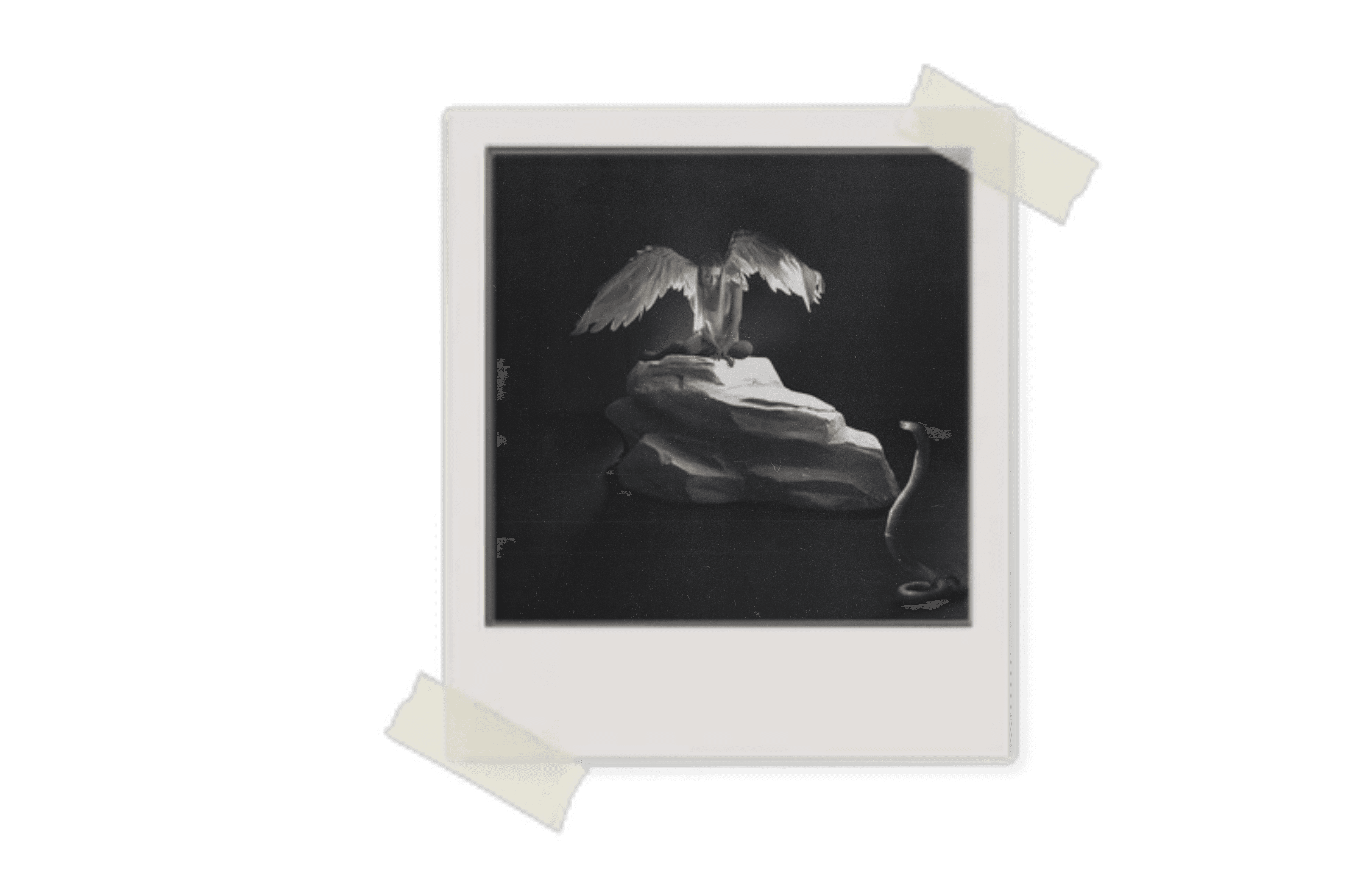
Sonically, the production is fuller and better developed than her previous music. While the style of the songs is almost indistinguishable from her previous work, this EP is more well rounded musically, and features some interesting elements that made listening to the songs exciting. However, this similarity to her previous EP “I Am Digital, I Am Divine” shows a lack of artistic evolution, and while it is clear Erin’s skills have grown, I found myself wanting her new music to stand out more from her last record when listening. However, it does differ from most of today’s mainstream pop, which I appreciated. I think this makes the listening experience much more enjoyable–every song offers some interesting musical quirks and catchy beats.
However, I believe what truly makes this EP shine is the storytelling. Every song tackles a different issue, from eating disorders to religious guilt and codependent relationships. A theme linking together all the tracks is reflection–LeCount reminisces on her past behaviour, relationships, dreams and beliefs. Despite the songs’ heavy topics, they're almost hypnotising to listen to. I often find myself miserable after listening to sad songs, but I instead found this EP motivating. While the songs showcase Erin's frustrations, they also show her fighting and not giving up. All the tracks link together to form a storyline, showcasing LeCount’s downward spiral. This journey into madness actually ends on a hopeful note with Alice, “I think about you often, but I don’t want you back.” Erin abandons the toxic relationship and chooses herself, which is a perfect ending to the EP.
It is clear that a lot of thought was put into this storyline, but each individual song's lyrics are also very carefully crafted. There is one song that falls flat to me, “American Dream,” and the fact that LeCount never played it live or teased it prior to the EP coming out does not help its case. While I see potential in the message of working yourself to the bone in order to pursue your goals and still never feeling satisfied, the lyrics are very straightforward and don’t offer much room for interpretation. Frankly, I feel as though a lot of the lyrics on the record, despite being poetic and interesting to listen to, felt the need to spoon feed the message to the listener. I wished for the songs to be a bit more abstract and metaphorical in their lyricism, as opposed to directly telling the story to the listener, however I also understand that the storytelling was very important to the record as a whole, so I can excuse abandoning some ambiguity in favour of the strong storyline.
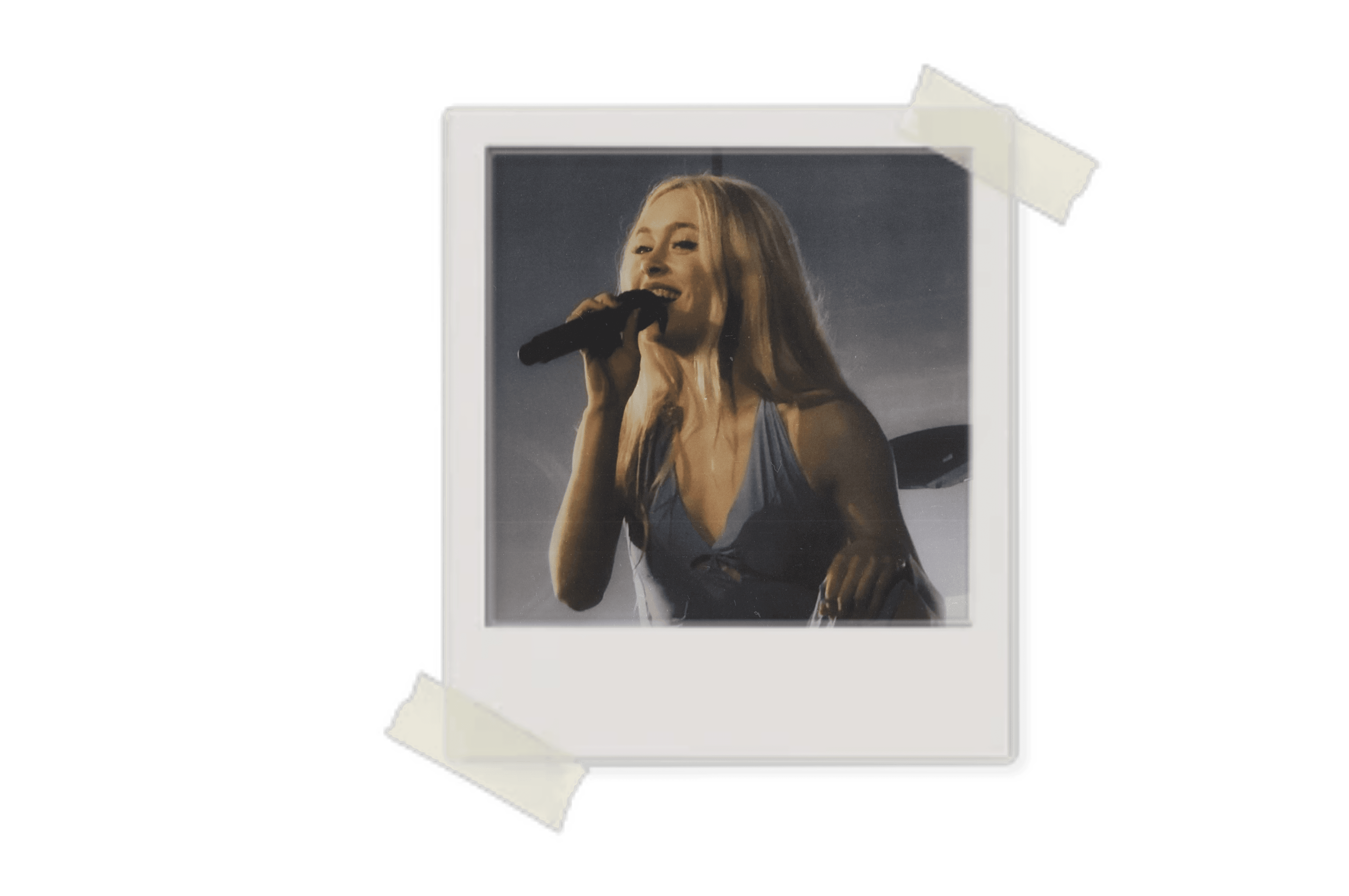
All in all, this EP delivers the typical Erin LeCount production and lyricism alongside an interesting and thoughtful storyline. It is a very enjoyable listen, and I have found myself coming back to the songs frequently. Erin is definitely on the rise to fame, and this well crafted record has come at the perfect time to truly propel her into stardom. In the future, I hope to see some more artistic development from LeCount, but Pareidolia definitely stands on its own as an incredible piece of work.
Finding Myself Through Music
Hannah Navarro
For as long as I can remember, music has been the center of my life. My parents and grandparents raised me to appreciate music from every era and genre, a love that still shapes who I am today. Whether we were in the car, at home, or listening to my dad play, music was always present. When I became a teenager and music streaming services grew popular, I finally had the chance to discover music on my own and build personal connections with bands and genres.That’s when I discovered one of my favorite artists, Twenty One Pilots.
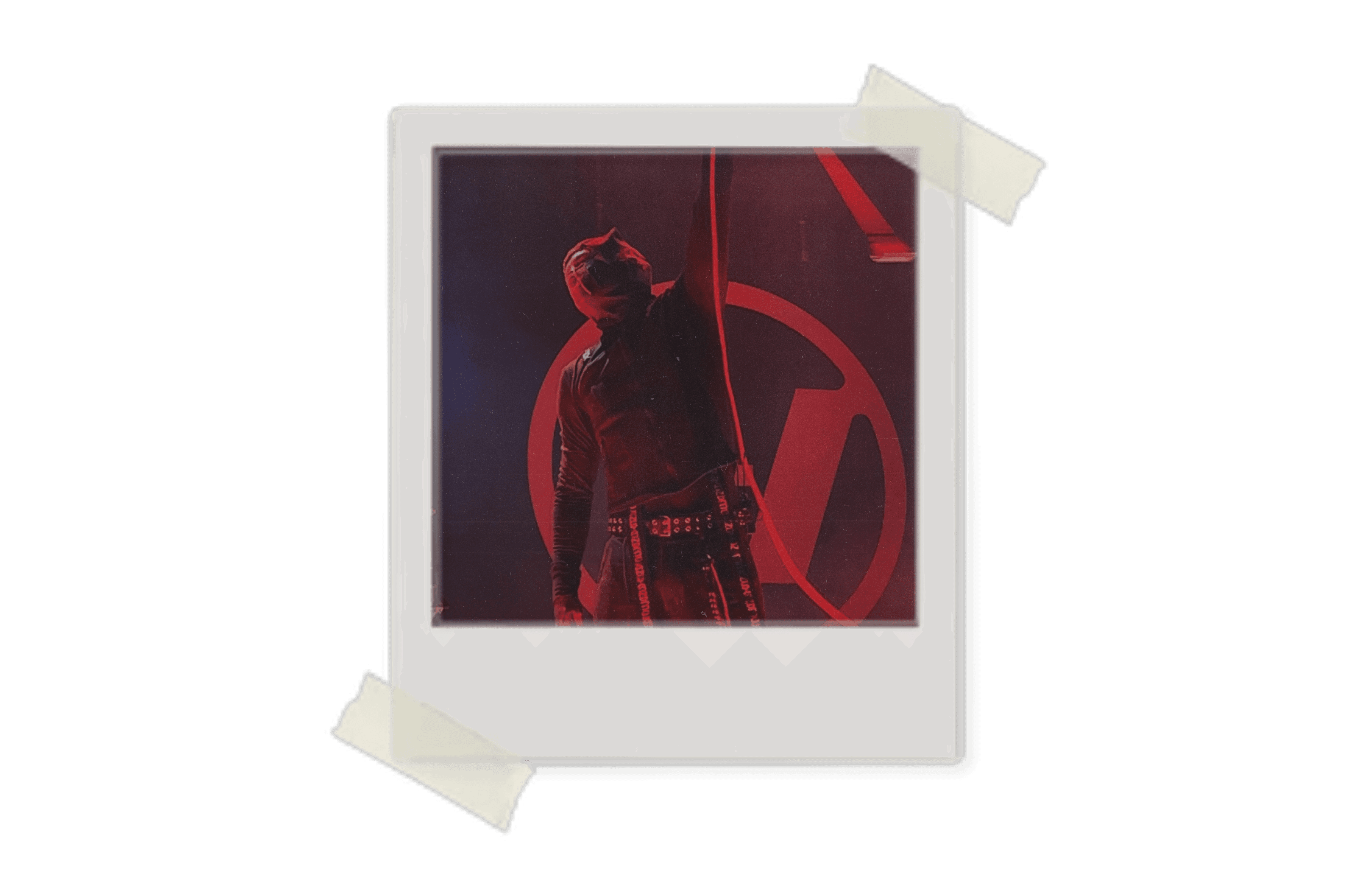
It was the summer of 2016, and Twenty One Pilots’ album Blurryface had come out the year before. I loved hearing their music on the radio or in the playlists I streamed. Naturally, I wanted to dig deeper, which led me to their YouTube channel.At this time, the band was on the first leg of their Emotional Roadshow Tour and they were uploading highlights from the tour to their YouTube channel. After seeing their energy, their command of the crowd, and the sense of community among fans, I was hooked. It was inspiring and emotional and I immediately snagged tickets to their next Emotional Roadshow leg in February of 2017. That show made me fall in love with them as live performers and helped me understand why I love live music so much.Since 2017, I’ve had the opportunity to see them perform 10 times.
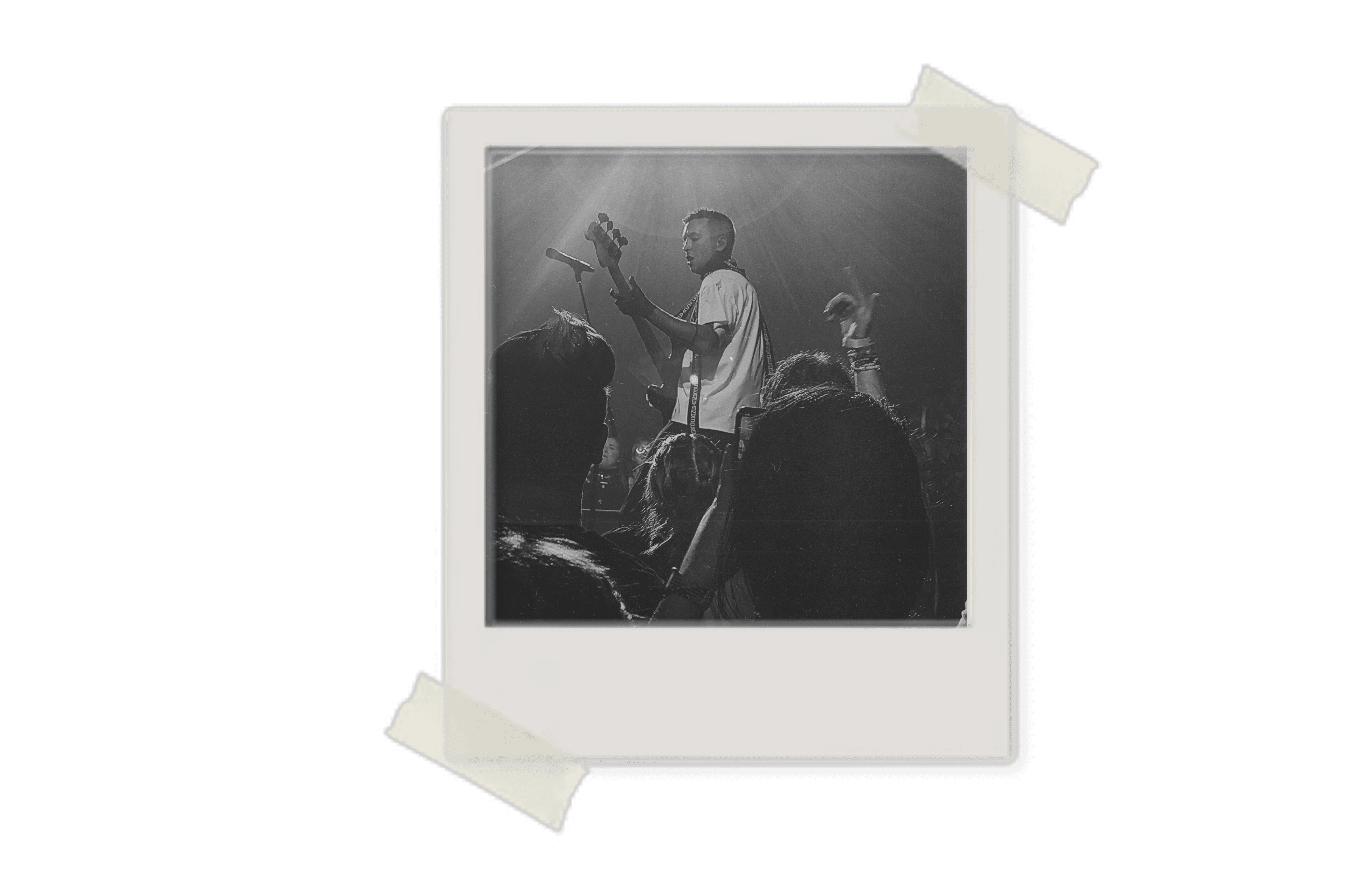
Hearing Tyler Joseph explain the inspiration behind Blurryface—and later Trench—was the first time I felt that my emotions were truly understood by someone else. His ability to personify insecurity and give it a “seat at the table” was a concept that was completely new to me, and it resonated deeply. The comfort of knowing someone else had experienced those same emotions, and found a way through them; meant a great deal to me and to many others. Seeing how others connected with the music and with each other drew me in as well. The fanbase is a community of kind and inclusive people. Through it, I’ve made friends and shared countless conversations with strangers over our love of their music.Going to a show and knowing that those around you are there because they related to the music in the same way as you is an indescribable feeling.
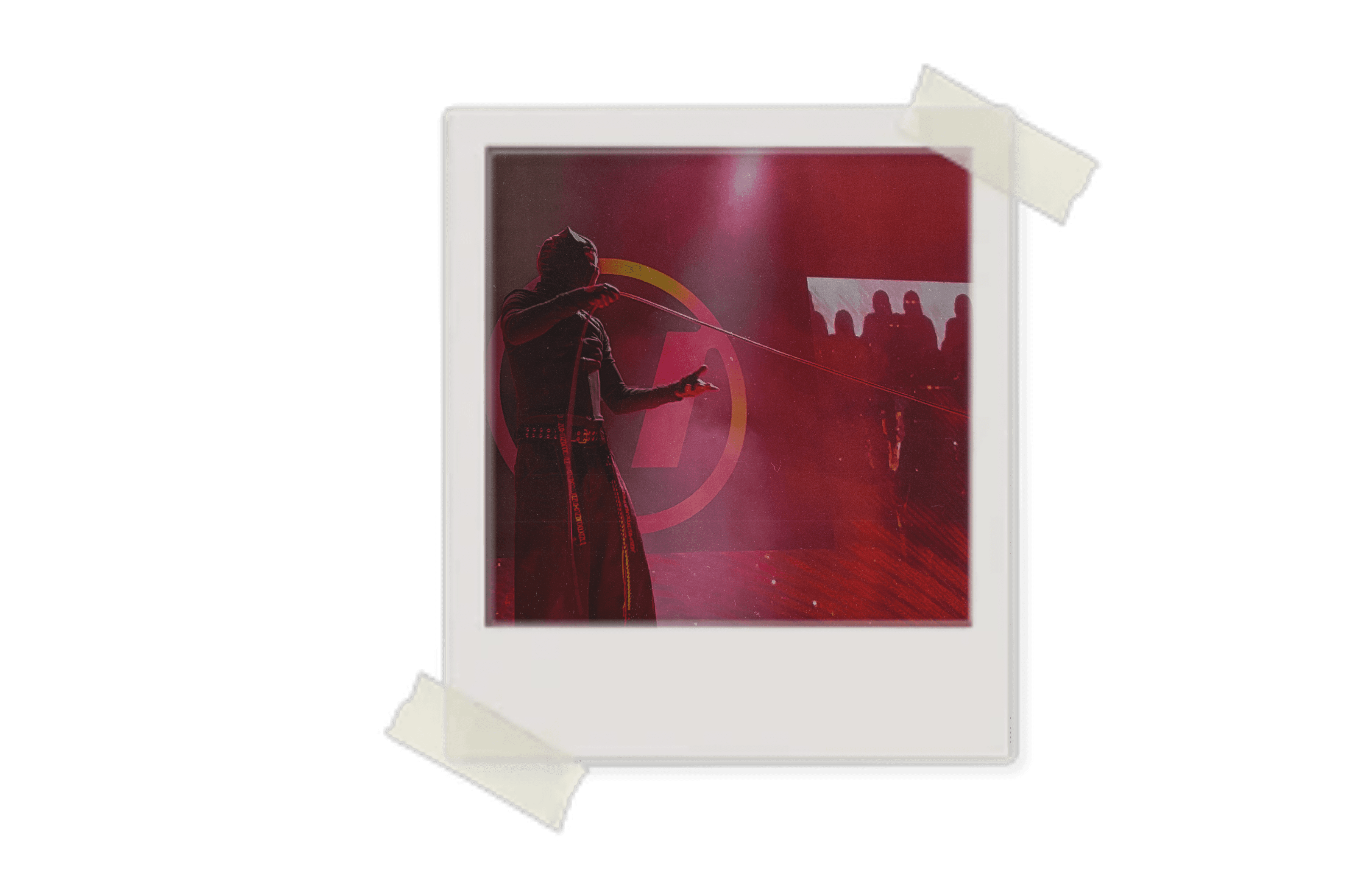
I’ve struggled in the past with self doubt and wondered whether anyone truly cares about the things I create. Tyler and Josh had similar doubts when they first started, but by pushing through them they discovered that there is always an audience willing to listen.They worked so hard to get to where they are today and this shows me that it’s possible for me to be successful as well. The message in Twenty One Pilots’ lyrics—and watching them succeed while staying true to their creativity—has inspired me to write and pursue my own creative outlet. For the past ten years, their music has grown alongside me, shaping how I understand creativity, community, and self-expression. I look forward to continuing that journey through my own writing.
Looking In: The Song That Resembles Me
Amber Lucio
My mother likes to say I was a Mariah Carey fan from the womb. She would place headphones against her stomach, and I would kick in rhythm to the music. When I was born, that connection only deepened.
Over the years, her songs have become markers of my life: “Fantasy” and the “Heartbreaker” remix feel like childhood summers at amusement parks, while “Butterfly” mirrors my growth into adulthood. But one song stands apart. “Looking In,” from Carey’s fifth studio album, Daydream, feels less like a soundtrack and more like a reflection.
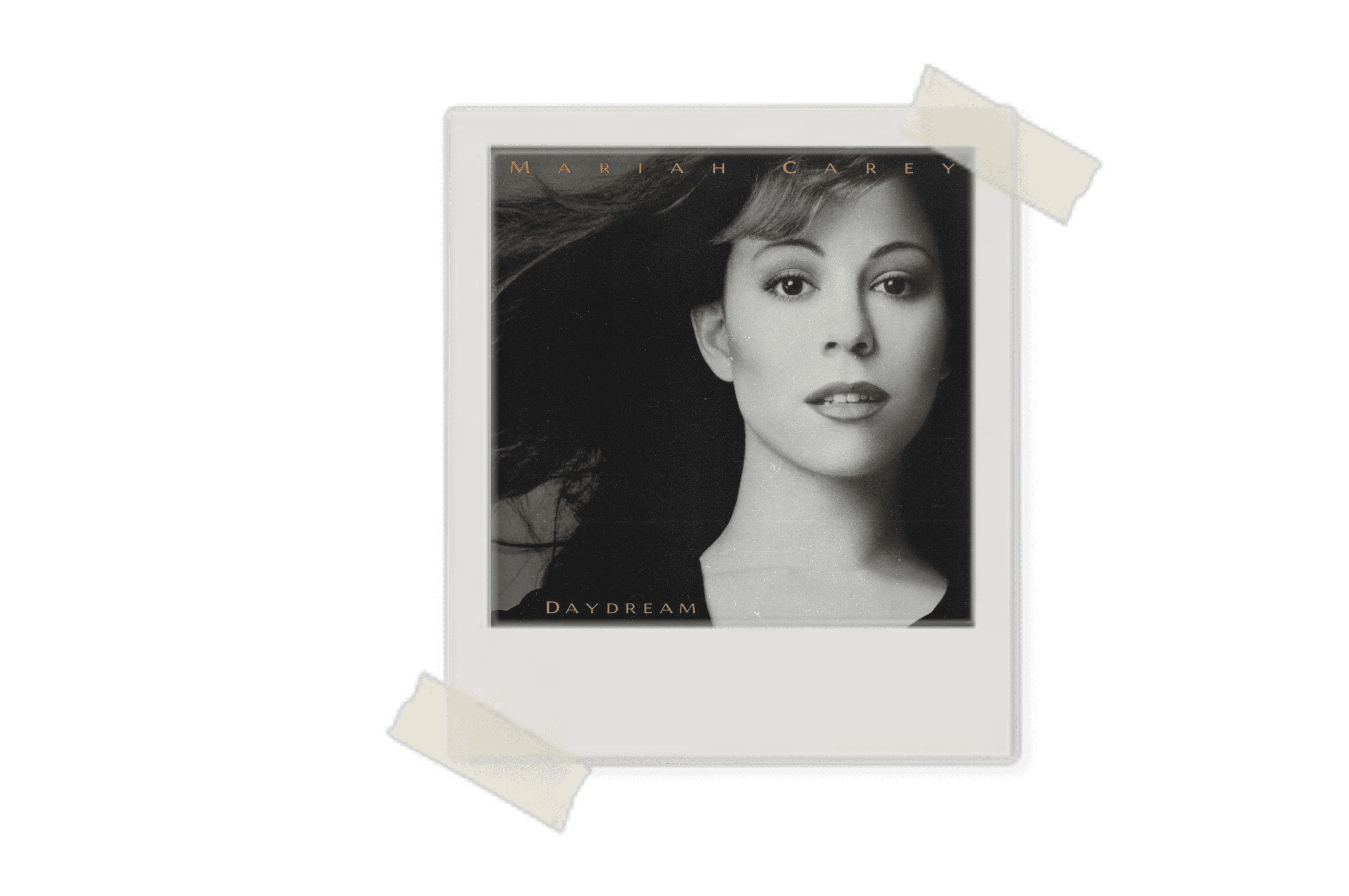
Recognizing where Carey was in her life at the time makes the song even more powerful.By the time Daydream was released in 1995, Carey was already a global phenomenon. Her self-titled debut Mariah Carey (1990), Emotions (1991), Music Box (1993), and her bestselling holiday album had cemented her as one of the decade’s defining artists. Publicly, she embodied glamour and success. Privately, however, she was navigating a deeply controlling marriage to music executive Tommy Mottola, whom she had married in 1993. Carey has since spoken openly about feeling isolated and creatively restricted during that period. Within that context, “Looking In” reads as a quiet act of resistance—a vulnerable confession tucked at the end of a chart-dominating pop album. It is widely regarded as one of her most personal early compositions, a subtle cry for understanding from an artist whose public persona often eclipsed her private reality.
The opening lines set the tone:
You look at me and see the girl,
Who lives inside the golden world,
But don’t believe,
That’s all there is to see,
You’ll never know the real me
People will always form perceptions, but they rarely see the full complexity of who you are. There were times when I felt deeply misunderstood, as though no one could fully grasp what I was carrying internally.
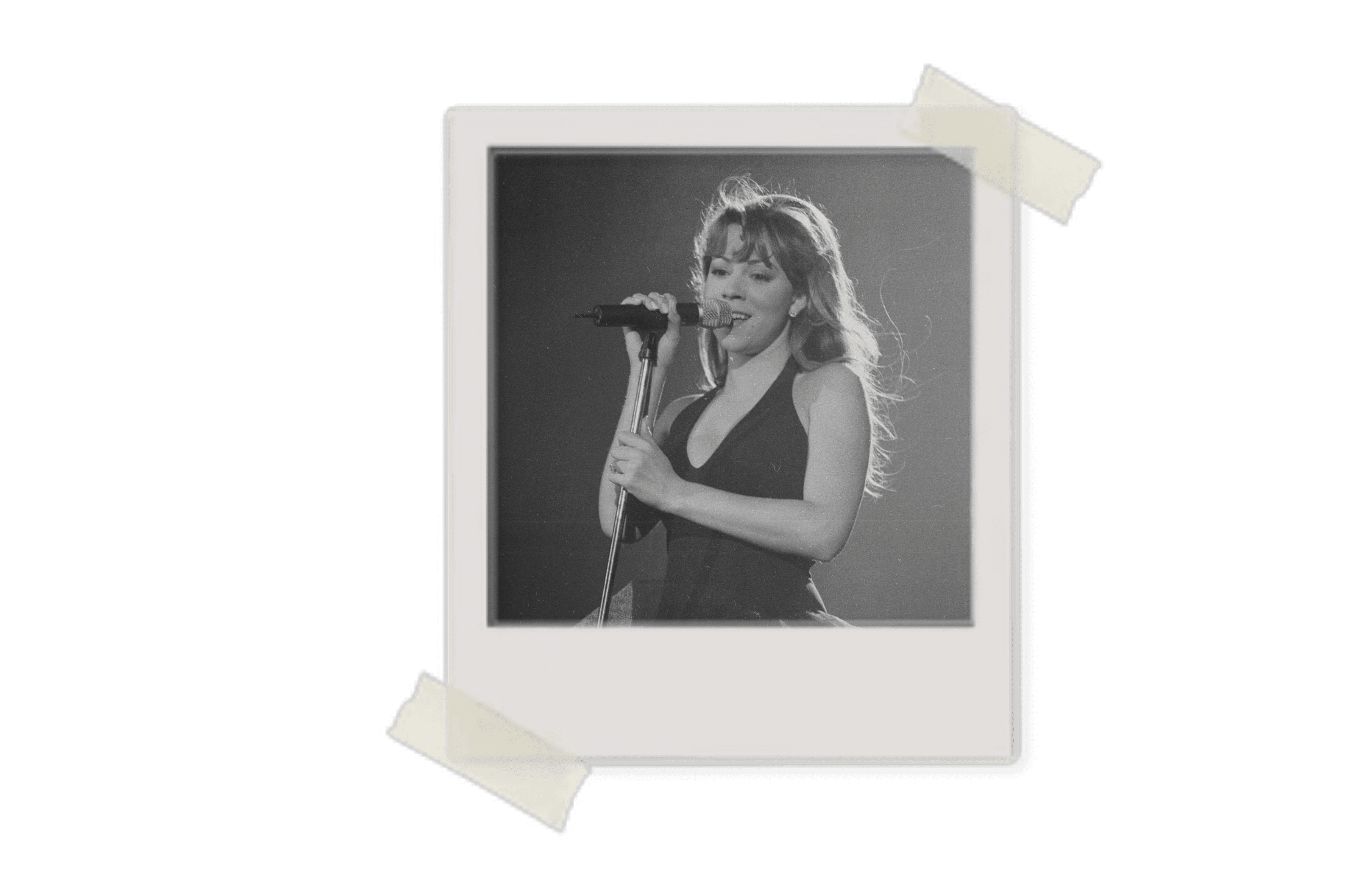
Carey captures that emotional duality with striking honesty:
She smiles through a thousand tears,
And harbors adolescent fears,
She dreams of all,
That she can never be,
She wades in insecurity,
And hides herself inside me
I relate deeply to these lines as someone who has struggled with social anxiety and insecurity. Carey articulates the exhausting effort of appearing composed while quietly battling self-doubt. Her words validate many experiences. Carey’s music has helped show me that Expressing your true feelings does not make you ungrateful or arrogant, something I have often struggled with.
The lyric challenges the assumption that acknowledging emotional pain somehow diminishes gratitude. Carey makes it clear that it is possible to appreciate your blessings while still struggling internally. In this moment, she is not rejecting what she has; she is simply asking for compassion, and to be seen clearly.
It seems as though I've always been,
Somebody outside looking in,
Well, here I am for all of them to bleed,
But they can't take my heart from me,
And they can't bring me to my knees,
They'll never know the real me,
The closing verse resonates with me most. For years, I often felt out of place, even within my own skin, like someone standing on the outside looking in. Growing up as a Latina in a predominantly white community, I was aware of how others perceived me, and at times, I felt as though people were waiting for me to fail. Yet what makes the song powerful is that, even in its vulnerability, it carries quiet strength. Beneath the melancholy, Carey weaves resilience and hope. “Looking In” captures the complexity of being human, the coexistence of doubt and determination, and in many ways, it captures me.